Saint Anthony of Padua
Introduction
Saint Anthony of Padua, born Fernando Martins de Bulhões in Lisbon, Portugal, in 1195, is one of the most venerated saints in the Catholic Church. Known for his powerful preaching, profound knowledge of Scripture, and dedication to the poor and sick, Saint Anthony’s life is an inspiring example of Christian charity and devotion.
Early Life
Saint Anthony was born into a wealthy family and was educated in the finest schools of his time. However, at a young age, he felt called to a life of religious service. He joined the Augustinian Order and later, inspired by the sacrifice of Franciscan martyrs, transferred to the Franciscan Order, where he took the name Anthony.
Preaching and Teaching
Saint Anthony quickly gained a reputation as an extraordinary preacher. His sermons attracted large crowds, and he was known for converting even the most hardened sinners through his words. His deep understanding of Scripture earned him the title "Doctor of the Church." Despite his fame, he remained humble and focused on serving God and others.
Miracles and Charity
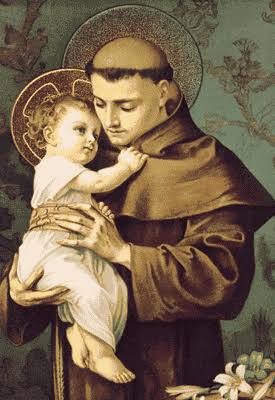
Saint Anthony is also known as the "Wonder Worker" due to the many miracles attributed to him both during his life and after his death. These include miraculous healings, finding lost items, and even raising the dead. He dedicated much of his life to helping the poor and is often depicted holding the Christ Child, symbolizing his deep love and care for the vulnerable.
Death and Canonization
Saint Anthony died at the age of 36 in 1231 in Padua, Italy. He was canonized just a year later by Pope Gregory IX due to the numerous miracles reported at his tomb. His feast day is celebrated on June 13th, and he is the patron saint of lost items, the poor, and travelers.
How We, the Youth, Can Follow Saint Anthony’s Example

1. Embrace Humility and Simplicity
Saint Anthony lived a life of humility and simplicity, despite his great intellect and reputation. As young Catholics, we can follow his example by living modestly, avoiding pride, and recognizing that our talents and achievements are gifts from God meant to serve others.

2. Commit to Learning and Sharing the Faith
Saint Anthony was deeply committed to understanding and teaching the Scriptures. We can follow his example by actively studying the Bible, participating in catechism classes, and sharing our faith with others, whether through teaching, discussions, or simply living as examples of Christian values.
.jpg)
3. Serve the Poor and Needy
Like Saint Anthony, who devoted his life to helping the poor, we can engage in acts of charity within our communities. Volunteering at shelters, organizing food drives, or simply offering our time and resources to those in need are ways we can embody his spirit of generosity and compassion.

4. Be Courageous in Spreading the Gospel
Saint Anthony was known for his fearless preaching. As young Catholics, we are called to be bold in our faith, standing up for what we believe in, and sharing the message of Christ with others. Whether through social media, public speaking, or personal interactions, we can be modern-day evangelists.

5. Trust in God’s Providence
Saint Anthony’s life was marked by a deep trust in God, especially during difficult times. We can follow his example by placing our faith in God’s plan for our lives, trusting that He will guide us through challenges, and remaining steadfast in prayer.

6. Practice Forgiveness and Reconciliation
Saint Anthony’s sermons often emphasized the importance of forgiveness and reconciliation. As young people, we can strive to forgive others, seek reconciliation in our relationships, and promote peace within our communities, following his teachings on mercy and love.
7. Invoke His Intercession
Saint Anthony is known as a powerful intercessor, especially in times of need. We can develop a habit of praying to Saint Anthony for guidance, support, and help in finding what we seek, whether it be lost items, peace of mind, or clarity in our spiritual journey. By following these steps, we, as the youth of Saint Anthony of Padua, can honor his legacy and contribute to building a strong, faith-filled community that reflects the love and teachings of Christ.
